


How Thermal Infrared Imaging Helps Detect Hidden Building Problems
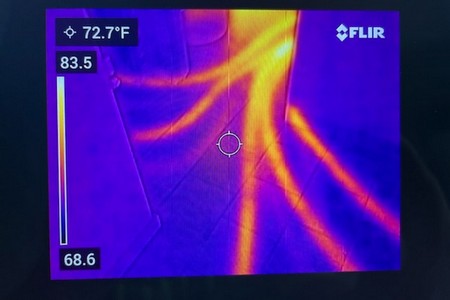
Thermal infrared imaging is a fast, non-invasive way to spot problems you cannot see with the naked eye. In Butler, NJ and across North Jersey, this method helps uncover moisture intrusion, air leaks, and missing insulation before they become serious repairs. If you are planning an inspection or troubleshooting a stubborn issue, learn how a focused thermal infrared imaging scan can give you clear answers and a plan of action.
What Is Thermal Infrared Imaging?
Every surface gives off heat. Thermal cameras capture those temperature patterns and turn them into pictures called thermograms. By reading the patterns, trained technicians can tell where heat is escaping, where water may be cooling a wet area, or where building materials are behaving differently than they should.
Because it is non-contact and works in real time, thermal imaging is ideal for occupied homes and active job sites. There is no cutting, drilling, or guesswork. A skilled geophysicist interprets the images and confirms key findings with companion tools when needed.
Hidden Building Problems It Can Reveal In Butler, NJ
Our area’s mix of older capes, split-levels, and newer colonials in neighborhoods like Kinnelon, Bloomingdale, Pompton Lakes, and Riverdale brings a wide range of building conditions. Add in humid summers, nor’easters, and freeze-thaw cycles, and you have the perfect recipe for hidden issues. A targeted scan can reveal:
- Moisture behind walls, ceilings, and stucco that may not leave visible stains
- Missing or settled insulation in attics and knee walls that drives up energy bills
- Air leaks around windows, doors, rim joists, and attic hatches
- Radiant floor heat coil layout and cold spots
- Roof or flashing leaks that only appear after storms
- HVAC duct losses and uninsulated runs in crawlspaces
- Localized electrical hotspots on panels or connections
Catching these early prevents small, hidden problems from turning into major damage.
Why Choose A Geophysical Services Team
Infrared is powerful, but results hinge on training and method. As a geophysical services provider, American Geophysics Inc. pairs field experience with calibrated equipment and a structured survey plan. That means controlled temperature differences, consistent camera settings, and on-site verification when patterns suggest moisture or air leakage.
You get clear images, plain-language notes, and next steps. When the situation calls for deeper investigation, we can align thermal results with other non-destructive tools for a complete picture.
When To Schedule Thermal Imaging In North Jersey
Thermal works year-round, but timing can improve results:
- Right after a steady rain to highlight roof and wall moisture
- Early morning or evening during hot or cold spells to show heat flow
- Before insulation upgrades, window replacements, or roof work
- Before closing on a property to document hidden concerns
Seasonal swings in Butler make late fall and winter great for spotting insulation gaps and drafts, while spring storms help expose moisture paths around chimneys, skylights, and siding transitions.
Local insight: After heavy rain or snowmelt, schedule your scan within 24–48 hours. The temperature contrast between wet and dry materials is strongest, which makes moisture patterns easier to confirm and document.
What To Expect During A Professional Scan
Here is how a typical visit goes for a home or small commercial space in Butler, NJ:
Pre-check. We confirm recent weather, building occupancy, and HVAC settings so the building has the right temperature differences for good data. We plan interior and exterior routes to cover problem areas and typical trouble spots.
Survey. We scan exterior walls, roof lines where accessible, ceilings below bathrooms and kitchens, window and door perimeters, attic accesses, and mechanical rooms. When a pattern suggests a concern, we mark it on a floor plan or photo reference.
Verification. Infrared finds the anomaly. Then we verify with contact thermometers or moisture meters to avoid false positives. Moisture is confirmed by measurement, not just color in an image.
Reporting. You receive annotated images, locations, and practical next steps. If you are a contractor, we provide notes you can hand off to your crew or subs so they can correct the issue without delay.
From Findings To Fixes: Pairing Infrared With Other Services
Thermal often serves as the roadmap. Once we locate the hot or cold signatures, we use targeted follow-up services to confirm and resolve the root cause. For example, when a ceiling stain keeps reappearing, we may combine a second scan with focused leak detection methods to pinpoint the exact entry point. If slab heating is uneven, a thermal pass helps outline coil paths so repairs stay precise.
When hidden conduits or rebar patterns complicate a repair, our team can align the thermal results with imaging from other tools where appropriate. Using the right tool on the right spot saves time and avoids unnecessary disturbance.
Real-World Examples You Might Recognize
In Pompton Lakes and Pequannock, many homes have knee-wall attics and dormers. Thermal imaging often shows cold stripes where insulation thinned or was never installed. In Bloomingdale capes, we regularly see air leaks around older window frames and attic hatches. Commercial plazas along Route 23 sometimes show roof heat signatures where wet insulation is holding moisture after storms.
Thermal images tell you where to act first so your contractor can fix the actual source, not just the symptom.
How Thermal Imaging Supports Safer, Cleaner Work
Opening walls is messy and costly. A directed thermal scan limits how much gets opened and where. That means less dust, fewer hours on site, and cleaner results. For property managers, scanning a sample of units in a multifamily building can reveal patterns you can address building-wide, without disturbing every tenant.
If you maintain schools or municipal buildings, periodic scans can document conditions for future budgeting and help prioritize work before the heating season or after major weather events.
Choosing The Right Partner In Butler, NJ
Look for a team that understands building science and geophysics, documents conditions clearly, and verifies thermal findings. American Geophysics Inc. follows a repeatable process, communicates in plain language, and coordinates with your roofer, plumber, or GC so fixes stay focused.
To learn more about the method and see what a scan looks like in practice, explore our service page for thermal infrared imaging, then schedule a visit that fits your timeline and project goals.
Planning Your Next Step
If you are comparing options, start with a quick review of your building goals. Are you chasing a leak, reducing drafts, or documenting conditions before a renovation? A short call with our team can match your needs to the best sequence of services. You can also visit our home page to learn more about our experience in North Jersey and how we approach non-destructive testing. Many customers begin by reading about thermal infrared imaging to understand where it fits in their project plan.
Ready To See What Your Building Is Hiding?
Whether you own a home near High Street in Butler or manage facilities across Morris and Passaic counties, accurate imaging leads to faster fixes. Talk with American Geophysics Inc. and schedule a scan that fits your project timeline. Call 833-722-6477 to get started, or reach out online and ask about the best window to scan your property based on season and weather. For details on what we check and how we report, visit our page on thermal infrared imaging and see how we turn images into action.